

Evaluation of the Response to Pulpal Sensibility Tests in Hypothyroid patients
Maryam Kazemipoor, Fateme Owlia, Azam Ghanei, Nilofar Haji Ahmadizadeh
Introduction:
Thyroid disorders are the second most common endocrine system disorder. Given that there is no precise information regarding the difference in response to pulp sensitivity tests between healthy individuals and those with hypothyroidism, the present study aimed to compare pulpal sensitivity test responses (Cold test and EPT) in healthy individuals and patients with hypothyroidism.
Materials and Methods:
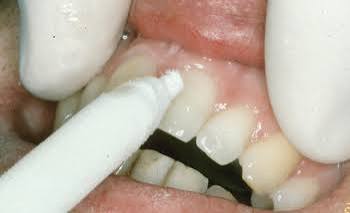
In this study, 292 maxillary central incisors from patients aged 18 to 58 were examined. The participants included 146 patients with hypothyroidism (confirmed by TSH and Free T4 tests) and 146 healthy individuals as a control group. Pulp sensitivity tests (Cold and EPT) were performed on the target teeth. Statistical analysis was conducted using the T-test, and the significance level was set at p<0.05.
Results:
The findings of this study showed that the mean EPT response in patients with hypothyroidism and healthy individuals was 2.22 and 2.42, respectively. The mean latency of response to the cold test in the hypothyroid group and the healthy group was 2.14 and 2.37 seconds, respectively. The mean EPT response value was significantly lower in patients with hypothyroidism compared to healthy individuals (P-value = 0.015). Similarly, the mean latency of response to the cold test was significantly lower in hypothyroid patients compared to the healthy group (P-value = 0.023).
Discussion and Conclusion:
Based on the results, the mean latency of response to the cold test was significantly lower in patients with hypothyroidism compared to healthy controls. Furthermore, patients with hypothyroidism exhibited a lower electrical stimulation threshold in comparison to the healthy group.
Keywords: Hypothyroidism, Electric Pulp Test (EPT), Cold Test, Neuropathy.
Evaluation of the Response to Pulpal Sensibility Tests in Hypothyroid patients